Latest Job Opportunities in India
Discover top job listings and career opportunities across India. Stay updated with the latest openings in IT, government, and more.
Check Out Jobs!Read More
Convenient infrastructure and consistent collection key to promoting Malaysian EPR model: experts | News | Environmental business
This comes ahead of Malaysia’s upcoming EPR Bill, which is scheduled to be tabled in Parliament in early 2026 by the Ministry of Housing and Local Government (KPKT).
Speaking at a Climate Management Malaysia webinar on post-consumer packaging and EPR on Monday, Malaysian Plastics Manufacturers Association (MPMA) vice-president Sri Umeswara said more adequate infrastructure and consistent collection systems are essential for the country’s EPR model to succeed.
“There needs to be two-way communication and clearer consumer education, as many are still wondering which items are recyclable,” he said.
Sri, who is also a member of the Sustainability and Recycling Committee and secretary-general of Koperasi Pengusaha Kitar Semula Selangor Berhad, a cooperative representing small and medium recycling operators in Selangor, said that based on the organization’s experience in collecting recyclable materials from more than 46,000 households in Malaysia, local residents are willing to participate in recycling initiatives. Recycling, provided the necessary systems are readily available.
Some brands have voluntarily begun using clearer recyclability labels that identify recyclable ingredients, and improved visibility of recycling symbols on packaging.
However, he said placing a mandatory recyclability label on the front of packaging could be an effective next step in driving consumer circularity in product packaging.
He added: “The Ministry of Health has obligated food producers to display clear labels of sugar content on the front of their products – this type of mandate can be applied to recycling product packaging.”
Currently, EPR laws in Malaysia are voluntary, with collection and buyback activities increasing over the past two years, although there are no formal accountability or reporting systems in place, Sri said.
“
The goal is to make sure people don’t overthink the process.
Anis Haizad, Chief Sustainability Officer, AEON Berhad
KPKT, through the National Circular Economy Council (NCEC), is set to introduce a mandatory EPR that will oblige selected companies to take responsibility for the management and recycling of post-consumer packaging waste starting next year.
The first phase of the EPR policy will begin on a voluntary basis in 2026 and then move to mandatory compliance by 2030. According to KPKT, the early phase will focus on six major materials such as plastic, paper, aluminium, glass, metal alloys and cardboard before expanding to other waste streams.
This approach aims to increase recycling rates, promote sustainable product design, and reduce the environmental burden of packaging waste.
Anis Hayzad, chief sustainability officer at Aeon Berhad, one of Malaysia’s largest retailers, also highlighted the need to create an environment that empowers consumers to take responsible actions.Q Practical and easy for the public.
She explained that Aeon achieves this through buy-back and recycling centers for polyethylene terephthalate (PET) bottles and other recyclable materials, in addition to placing recycling bins throughout high-traffic areas.
“Accessibility is not just about having bins, it is also about having systems that work, with clear signage and an easy and intuitive recycling experience for customers,” she said.
Building awareness and easy-to-understand and actionable education on EPR should be mandatory for everyone, including producers, retailers, consumers and the wider public, she added.
“You have to provide clarity. Use simple pictures and step-by-step guides. Communication should be visual and direct, using short phrases rather than long messages. Because the goal is to make sure people don’t overthink the process,” she said, noting that compliance becomes more achievable and natural when everyone understands why and how to recycle properly.
What does the Malaysian EPR form need?
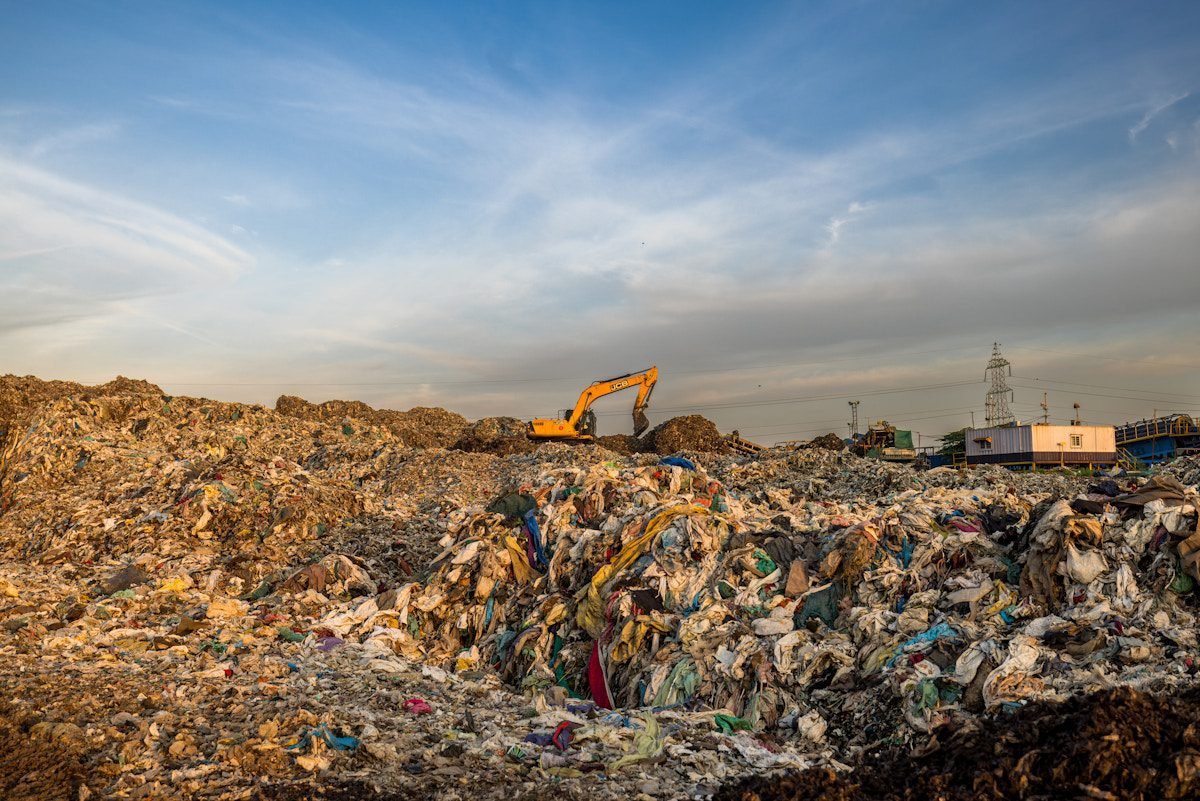
Due to the rising population, growing income and rapid urbanization, Malaysia is currently producing More than 39 thousand tons of waste daily. Each person disposes of approximately 1.2 kilograms of solid waste daily, posing immediate risks of depleting the country’s landfill capacity by 2050, according to government data.
To address this issue, major industry players such as Nestlé Malaysia are working with local councils and waste pickers across the country to collect packaging waste from many other producers, said Tan Chew Yam, head of sustainability at Nestlé Malaysia.
She said the country’s upcoming EPR law should adopt a pragmatic and flexible approach, recognizing the varying capabilities and expectations of different industries and company sizes from large enterprises to SMEs.
“The system cannot be too rigid. It must be flexible to encourage collaboration and innovation, as a one-size-fits-all approach can limit opportunities for industry participation,” she said.
This approach should leave room for open policy discussions that bring together all key stakeholders, including regulatory bodies, waste collectors and concessionaires, to share experiences and build a more effective national recycling system.
Tan agreed that public awareness and strong education are crucial to ensuring packaging waste is separated at the source, which is a key enabler for private sector participation in recycling efforts.
“Once the public understands how to recycle properly, it is crucial that an effective collection system is established to support this awareness,” she said.
Aeon’s Anis believes that having clear and realistic guidelines for policy implementation is essential. She stressed that if regulations require malls to establish buyback or collection centers, they must also clearly define operational standards to ensure consistency and compliance. This includes the volumes and types of materials to be collected and waste management standards, among others.
Sri noted that policy measures focusing on eco-design and packaging design for recycling are already in the pipeline for Malaysia’s EPR law.
He said Malaysia could also take cues from developed countries such as the European Union, Japan and South Korea to test, improve and impose new measures within a two-year timeframe to strengthen its EPR system.
Sri also suggested that incentives or tax breaks could encourage brand owners to adopt EPR practices more easily, while a deposit refund system could serve as a nationwide incentive model that benefits consumers, collectors and retailers alike.
The deposit refund system requires consumers to pay a small deposit when purchasing packaged products, which is refunded when the package is returned for recycling, promoting higher collection and recycling rates.
https://www.eco-business.com/news/convenient-infrastructure-consistent-collection-key-to-strengthening-malaysias-epr-model-experts/