Latest Job Opportunities in India
Discover top job listings and career opportunities across India. Stay updated with the latest openings in IT, government, and more.
Check Out Jobs!Read More
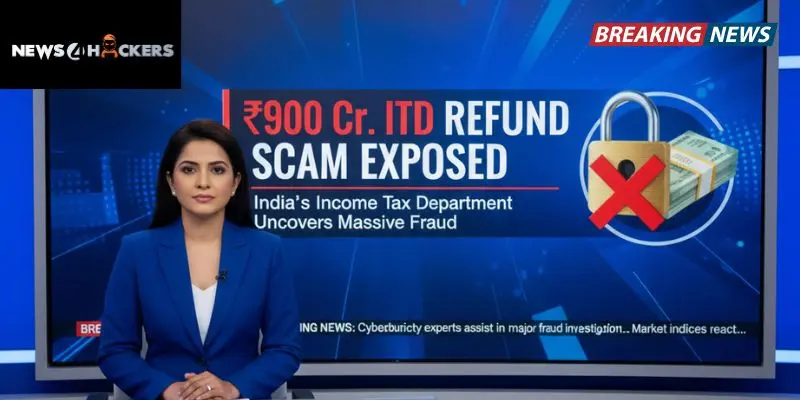
Indian Income Tax Department unearths massive Rs 900 crore refund scam –
Post views: 1
The Indian Income Tax Department unearths a massive refund scam worth Rs 900 crore
CPC staff have noticed an increase in claims for high-value deductions in recent months, particularly under Sections 80G (donations), 80D (medical costs), and others. Many of the proceeds included receipts whose legitimacy could not be confirmed, or claimed extremely high medical expenses or large gifts to shadowy organizations. In parallel, brokers and tax preparers, including some chartered accountants, emerged as frequent enablers, filing returns on behalf of clients and ensuring refunds.
Many of the bogus refunds were submitted using temporary email addresses, which were made in bulk for this reason and then deleted after being submitted, according to initial investigations. According to reports, some brokers have used automation and software techniques to generate massive amounts of returns in bulk while avoiding detection. The discrepancies emerged when the agency began checking outside data sources: rebate claims from ineligible taxpayers; Medical bills that do not match hospital records; and announced donations that never reach recipients’ accounts.
The department expanded the scope as it conducted more research. According to a disclosure, before punitive measures were taken, more than 40,000 taxpayers voluntarily amended their forms in recent months, removing about Rs 1,045 crore of questionable claims. Meanwhile, documents, digital records and intermediate databases are being collected as part of search and seizure operations initiated in Madhya Pradesh, Gujarat, Delhi, Maharashtra, Tamil Nadu and Punjab.
Fraud mechanisms: How claims are designed
The plan relies on systematic layers of plausible but incorrect deductions. One common strategy is to use donation receipts from small or bogus companies posing as charitable organizations in order to push them into channels that have never been audited. Another reason is to exaggerate medical costs without providing supporting documents or blaming inappropriate people. Some preparers even worked with clients to “invest” in charitable contributions or product purchases that resulted in receipts being deducted, returning true cash flow minus commissions.
The broker often bears the entire burden of filing the returns. The taxpayer is guaranteed a large return, and the preparer takes care of filing, tracking copies of the receipt, and sometimes transferring to a charity. Notices or inquiries from tax authorities are ignored or not read because email addresses or return accounts are temporary, making identification more difficult.
Moreover, many actors have backed their refund claims with fake TDS (tax deducted at source) statements. They presented the appearance of pre-tax deduction to support refund requests by filing false TDS returns. As a result, the manipulation series seemed more plausible to early viewers.
By using intermediaries to triangulate fraudulent paperwork, returns, and causes, this strategy has effectively turned the refund mechanism into a leverage point and claims generator rather than a benefit to the taxpayer.
Enforcement response, risks, and policy stakes
The Income Tax Department’s response was complex. In addition to raids and revenue verification, the company integrates financial and third-party data feeds to flag suspicious returns and improve risk scoring systems at the cost-per-click (CPC) stage. Additionally, it advises tax preparers and taxpayers to “voluntarily comply” and correct inaccurate claims before assessments become punitive.
Both sides have a lot at stake. Unchecked, refund fraud poses a significant risk to government revenues. Procedural delays, audits, and restrictions on refund cases may increase for law-abiding taxpayers. Moreover, the damage to an individual’s reputation – the idea that a large number of refunds is questionable – may make people less confident in the fairness of the tax system.
The administration must walk a tightrope between strict enforcement and due process, which adds another legal layer. Building a chain of evidence, including bank records, receipts and supporting documents, is necessary to prove the claim is wrong. This can be difficult when intermediaries use ephemeral identities. Disagreements regarding intent and quantum are possible. Some preparers can assert that they relied on clients’ representations or acted in “good faith.”
Another risk is that over-inspection may trap valid claims. Some taxpayers with legitimate but complex deductions may face excessive burdens, appeals, or barriers if verification levels become too stringent.
Signals for the future: prevention, reform and deterrence
The campaign could be a turning point in protecting refund systems. The government may tighten regulations regarding medical discounts, donation receipts, and bulk deposits by unverified intermediaries. It may be necessary to conduct more stringent audit trails, verify digital receipts, or impose limits on deductions in high-risk categories.
Brokers are expected to receive more regulatory attention, especially tax advisors and preparers. Licensing, accountability, and criminal background checks may be enforced.
The message is clear to taxpayers: providing claim support with verified documents is no longer optional. There is pressure on the slippage margin.
As the refund method changes from a passive distributor to an active checkpoint, this incident may ultimately be viewed as more of a scandal than a turning point. This endeavor can enhance the integrity of tax administration if implemented carefully. However, errors can create mistrust or stifle valid claims.
About the author:
Yogesh Nagar He is a content marketer specializing in the cybersecurity and B2B space. Besides writing for News4Hackers blogs, he also writes for brands including Craw Security, Bytecode Security, and NASSCOM.

Read more:
About the author

India’s Income Tax Department Discovers An Enormous ₹900 Cr Refund Fraud