Latest Job Opportunities in India
Discover top job listings and career opportunities across India. Stay updated with the latest openings in IT, government, and more.
Check Out Jobs!Read More
Disabled workers speak out: Why the Doha Work Program’s welfare reforms will not solve key issues
Activists say the changes ignore the reality faced by thousands of people with disabilities
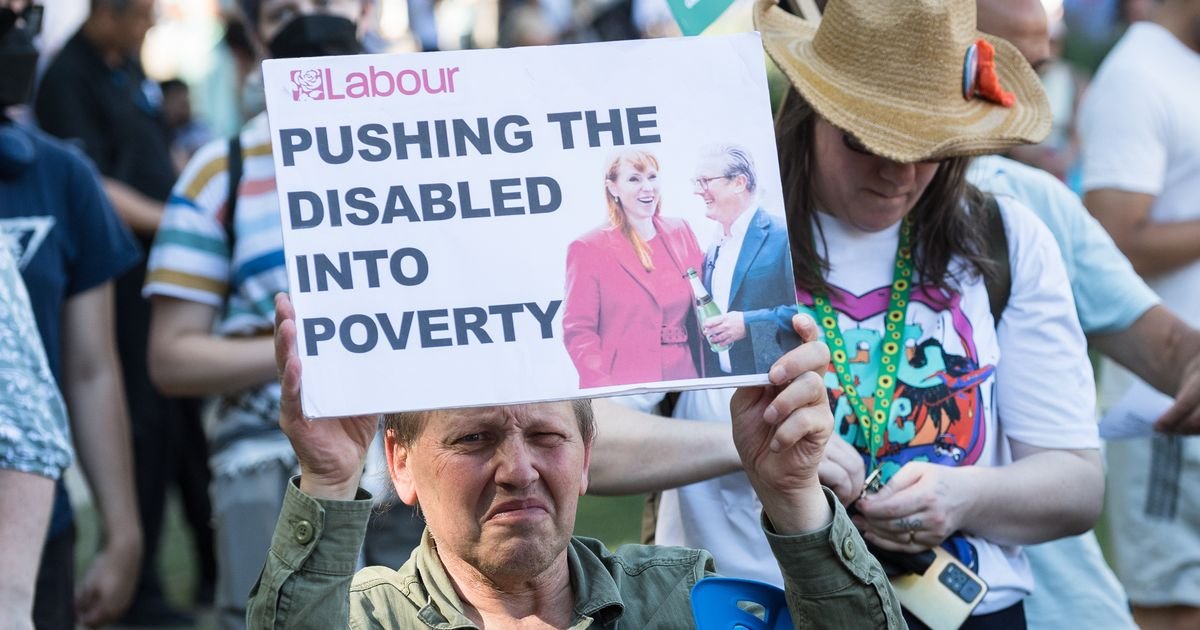
Disabled workers have spoken out about the Doha Action Programme’s change to Universal Credit and Personal Independence Payment (PIP) which aims to get more people back into work.
They warn that new welfare reforms designed to boost the economy fail to address persistent employment barriers, discrimination, and the widening disability pay gap.
The shake-up, led by the Labor government, aims to rebalance the benefits system from 2026. But campaigners say the changes ignore the reality faced by thousands of disabled people trying to access fair and sustainable work.
Read more:
Major social welfare reforms coming in 2026
The government says its plans aim to reduce economic inactivity and provide better support for the sick and disabled to start work.
Key measures include:
- Reduce and freeze the additional payment provided by the Department for Work and Pensions (DWP) by half Universal Credit Claimants who are unable to work. This additional amount for the Limited Capacity to Work and Work-Related Activities (LCWRA) will be reduced significantly to remove what officials call “perverse incentives” that they believe claimants may be motivated to say they can’t work just to get the extra money.
- Major review of Personal Independence Payment (PIP) It is expected to be completed later in 2026. Although previous plans to restrict eligibility were removed from the legislation while the review takes place, the process is expected to generate an entirely new set of proposals.
- Increase investment in employment support through job centers and job training programmes.
However, critics argue that these measures are based on false assumptions that people with disabilities simply need more “incentives” to work, rather than addressing real structural barriers.
People with disabilities face double the unemployment rate
Activists point out that people with disabilities are twice as likely to be unemployed than people without disabilities – and three times as likely to be economically inactive.
According to the Office for Budget Responsibility (OBR), there is little evidence to suggest that cuts to welfare support will lead to an increase in employment.
- Only 53 per cent of working-age persons with disabilities are currently working.
- In comparison, more than 82% of people without disabilities are employed.
- The employment gap for people with disabilities has not improved since 2019.
Job center staff are also struggling to place claimants. Many report that employers do not offer accessible roles or make reasonable adjustments.
True Stories: “Equality in Employment is a Myth”
Grace True, from Sheffield, shared how she felt forced to remove any mention of her disability from her CV just to get a call from employers.
“Equality in employment is a myth,” she said. “The law says companies can’t discriminate, but there are loopholes everywhere. We’re portrayed as unwilling to act, but the reality is companies aren’t making themselves inclusive, and the government is cutting off what little support we have.”
After editing her CV, she received a job offer within a week – a stark example of the hidden discrimination faced by job seekers with disabilities.
Grace has since applied for over 100 roles without success. It has also spotted new loopholes in job advertisements, with companies saying applicants with disabilities will not be guaranteed an interview if there are too many applications.
Disability Wage Gap: 63 days of loss of income
The disability pay gap remains one of the biggest inequalities in the UK labor market.
In 2023/2024:
- Non-disabled employees earned £16.03 per hour on average.
- Disabled employees earned £13.68 per hour.
- That’s a gap of 17.2 per cent, or £2.35 less per hour.
The gap translates to 63 lost days of income each year, says Amelia Beckham, CEO and co-founder of Cool Crutches and Walking Sticks.
“People with disabilities will stop receiving their salaries on October 29,” Amelia explained. “At the same time, their non-disabled peers continue to earn money until December 31. It is devastating.”
This mirrors the well-known Equal Pay Day for Women — but Amelia and other activists say workers with disabilities face a parallel injustice that gets less attention.
DWP champions reforms
A Department for Work and Pensions spokesman defended the plans, saying: “We are fixing the broken social care system so that it genuinely supports those who can work into employment, supported by a £3.8 billion investment in employment support in this Parliament, while ensuring there is always a safety net for the most vulnerable.
“We have also announced a ministerial review of the PIP evaluation process – which puts people with disabilities at its heart – to ensure it is appropriate and fair for the future.”
Last Thursday, the government announced new plans to appoint specialist careers counselors to healthcare teams, including general surgery and mental health services, so that tens of thousands of sick and disabled people can be helped to find work.
But campaigners remain skeptical, warning that without real action to close the employment gap and tackle workplace discrimination, the reforms risk pushing thousands into hardship.
How these reforms might affect Universal Credit and PIP claimants
If the proposals go ahead as planned in 2026, many PIP and Universal Credit claimants could see:
- Reduced additional financial support if they are unable to work.
- More pressure to find work even in hard-to-reach sectors.
- New rules on eligibility and assessments are likely to be introduced following Timms’ review of the PIP.
- Increased income insecurity for people with disabilities who already struggle with the cost of living.
What activists want to see instead
Disability rights groups say welfare reform should focus on removing barriers, not punishing claimants. Their demands include:
- Stricter enforcement of disability discrimination laws in employment.
- Mandatory access standards for employers receiving government contracts.
- Closing the wage gap through targeted wage subsidies.
- Increase funding for employment plans for people with disabilities.
How can people with disabilities protect their income?
- Stay informed: Stay up to date with DWP announcements and changes to PIP or Universal Credit.
- Challenging decisions: If your benefit award changes, appeal or seek advice from organizations such as Citizens Advice.
- Seek support in the workplace: Under the Equality and Human Rights Commission rules, employers must make reasonable adjustments.
- Grant access: Programs such as Access to Work can help fund modifications, although a Low support and a large backlog of people waiting for help Currently under investigation.
The debate over DWP’s social care reforms goes beyond numbers – it’s about whether people with disabilities can truly access fair and equal work. As pay gaps and discrimination persist, many fear the changes will reduce support without solving the real problem.
Activists and charities are urging the government to listen to people with disabilities, address systemic barriers and create a system that genuinely supports work – and does not penalize vulnerable people.
Get breaking news Birmingham Live WhatsApp. Join our dedicated community to get the latest updates sent directly to your phone as they happen.
You can learn more about cost of living issues on our website Money saving newsletter, Which is sent daily via email with all the updates you need to know Pensions, a point, Universal CreditBenefits, finance, bills and shopping discounts. Get the most important stories in your inbox to read at a time that suits you.
https://www.birminghammail.co.uk/news/cost-of-living/disabled-workers-speak-out-dwp-32642695?utm_source=flipboard&utm_content=BirminghamLive%2Fmagazine%2FTop+Stories