Latest Job Opportunities in India
Discover top job listings and career opportunities across India. Stay updated with the latest openings in IT, government, and more.
Check Out Jobs!Read More
Doka deals with extremist Alpine conditions to build the future of energy in Europe
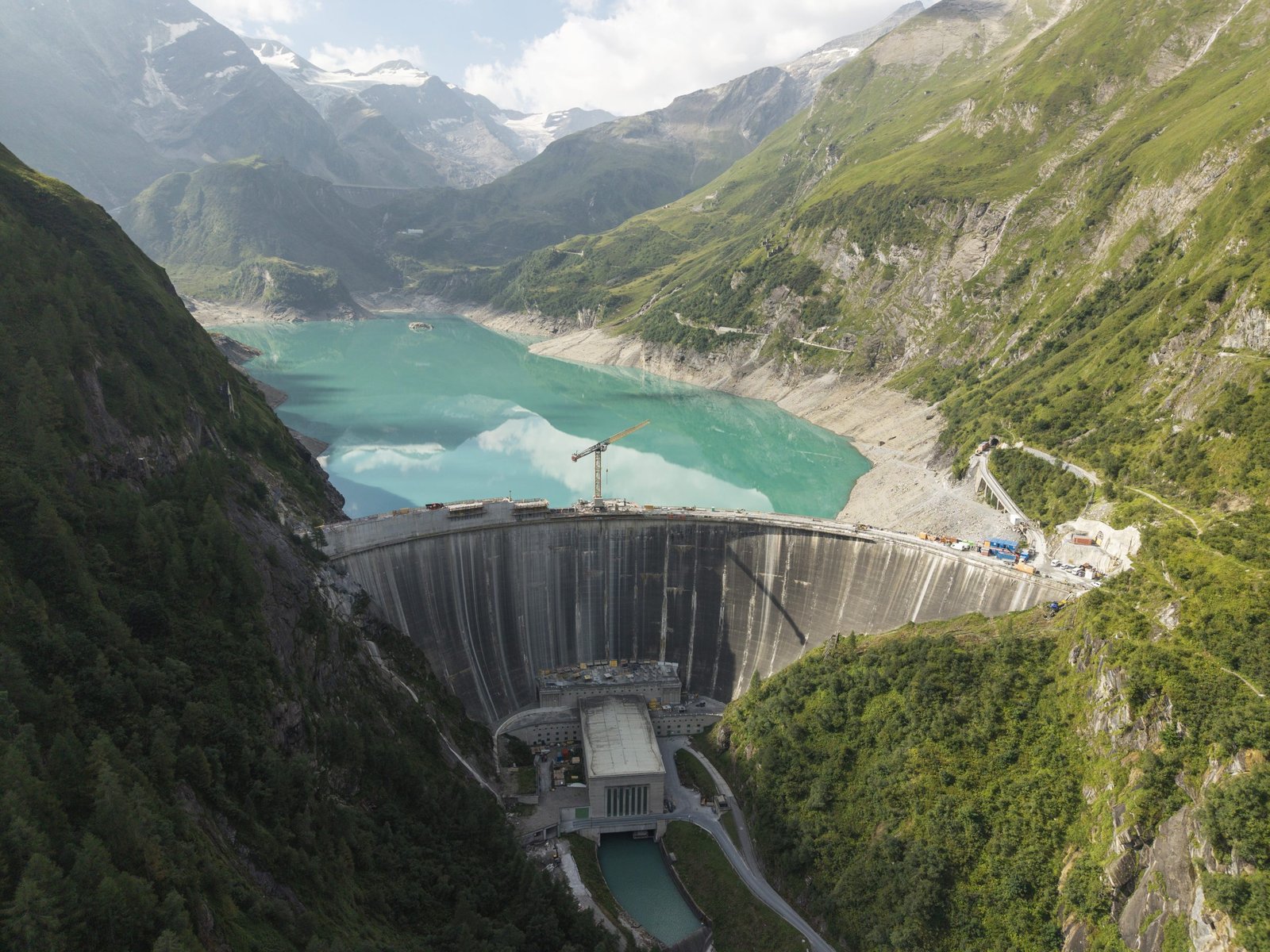
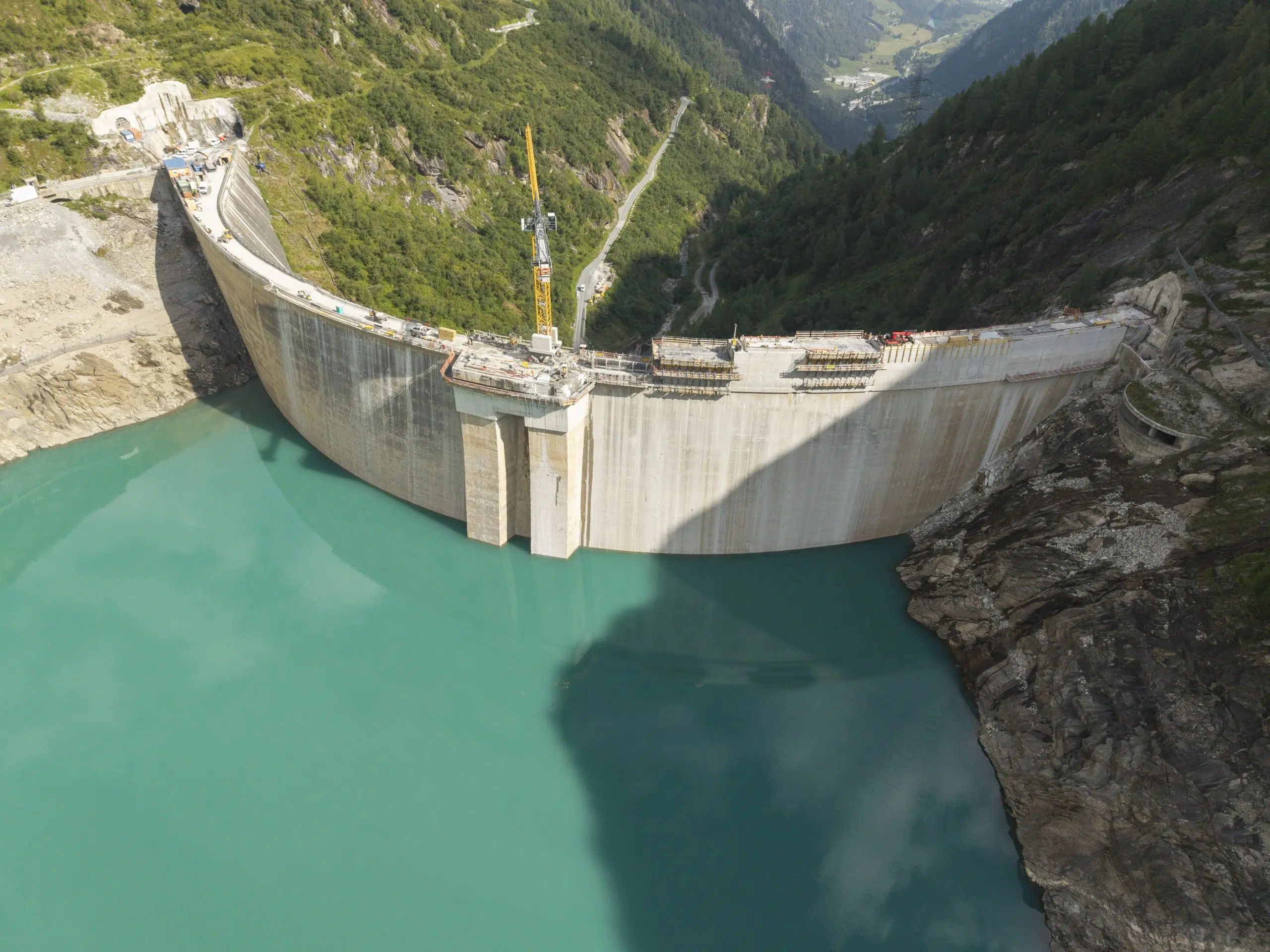
DOKA DOKA plays a decisive role in one of the most renewable energy projects in Europe, which helps to raise a dam 1700 meters in the Austrian Al -Alp Mountains in light of some of the harshest construction conditions in the continent.
The Austrian company has been assigned to provide the necessary technical solutions to raise the Wasserfallboard Dam near Kaprun by nine meters-the work that must be implemented at temperatures without scratch, winds that exceed 100 km per hour, and unusual logistical restrictions.
The project is part of the 500 million euros of Limberg III storage power plant, which, when completed in 2027, adds 480 megawatts of flexible capacity to the electricity network in Austria and provides vital storage for renewable transition in Europe.
“This project highlights how Doka solutions contribute to global energy transmission,” Harald Zuller, the administrative director of Doka Austria, says. “Here in the high environment of Austria, technology and our teams allow safe, effective and reliable implementation-even in light of the most difficult circumstances.”
Define engineering at a height
DOKA, which employs 9,000 people all over the world and operates in more than 58 countries, has published many of its most advanced systems for the Limberg project. The company’s participation extends from the dam until it raises itself to an underground cave that includes the mechanism of the new power plant.
As for the construction of the dam, DOKA has provided the D22 DAM formulation system, which ensures the transfer of safe load during concrete pouring – decisive when working on a structure that will eventually reach about 129 meters. The large 50 large sandy system enables the exact formation of the curved dam blocks, which is necessary for a bracket dam where the accuracy is required.
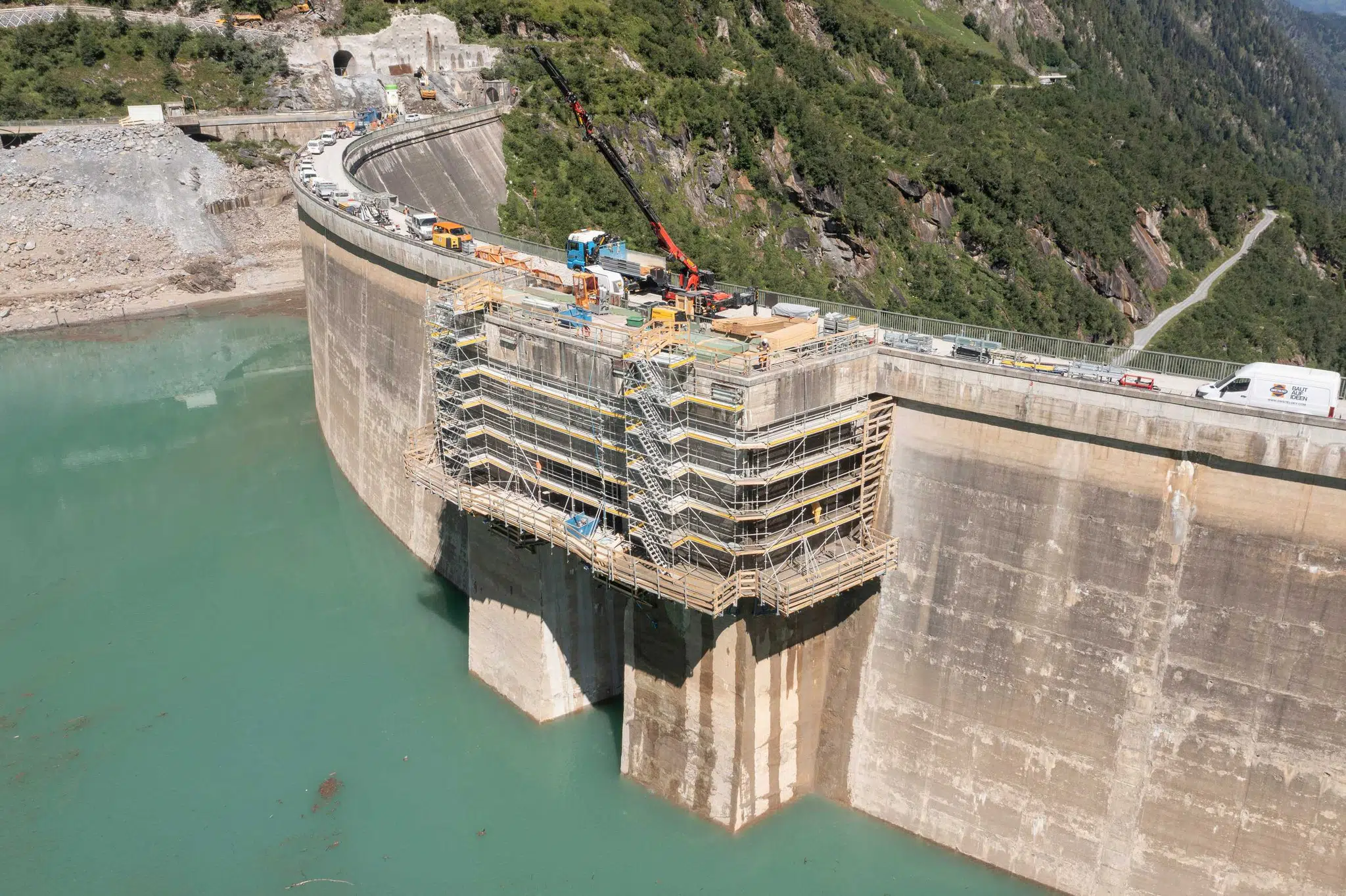
Safety was very important given the extremist work environment. More than 700 meters are operating from the doka -folding platform K to provide reliable and safe working conditions for construction work that works in length in difficult weather. At the control center, 22 tons of normative scaffolding from RingLock are operating as stairs and flexible installation platforms and assembly work.
Converting time tables for construction
Perhaps most importantly, the Doca approach may greatly accelerate what could be a slow and dramatic process. Through advanced three -dimensional planning, pre -gathering of components before reaching the site, and improved logistics specifically designed for the high site, the company helped reduce losses to only three days for about 260 cubic meters.
This is a great achievement. At an altitude of 1700 meters above sea level, each aspect of construction becomes more complex. The materials should be transferred to winding mountainous roads, the equipment must work reliably in freezing conditions, and the work schedules should adapt to the changing fast weather patterns.
The Doka participation scale reflects the technical complexity of the project. At Verbund, the leading electricity company in Austria and the project customer, specifically sought the company’s experience in building dams for this main project for energy infrastructure.
Support energy transmission in Europe
Wasserfallboden Dam will increase the tank storage capacity by 12.7 million cubic meters, up to nearly 94 million cubic meters. This expansion will save approximately 30 GB of additional storage-enough to run about 6000 homes for a year.
Storage power plants such as Limberg III work by pumping hard water into tanks during periods of excessive renewable generation, then launching them through turbines when the demand reaches its peak. It is decisive to install electricity networks as the two countries move from fossil fuels.
The Kaprun Power Plant collection, which is often called the “Alps Battery”, is already accompanying huge storage dating back to the fifties and 2011. The new Limberg III facility, which was assigned on September 12, works independently but depends on the same high -solid tanks.
Doka’s work in the project explains how specialized building technology companies have become essential partners in the transmission of renewable energy. Without the ability to build safely and efficiently in harsh environments, you will face major infrastructure projects such as Limberg III significant delays or prove that they are economically vibrant.
Offer for advanced construction
The project, which was built by the Austrian construction company Swieselsky AG with comprehensive management by PSKW Arge Limerg III – is a partnership between Porr and Marti Tunnel Ag – one of the most important investments in energy infrastructure in Austria.
For Doka, which was established more than 150 years ago as part of the UMDASCH group, the Limberg project offers the company’s development from the traditional template supplier to an integrated construction provider. The company’s participation in the entire construction process extends from the initial 3D planning to technical support on the site.
Since European countries are working to achieve climate goals and reduce dependence on imported fossil fuels, projects like Limerg III have become increasingly value. The high dam will be completed in 2027, with the use of Doka systems throughout 2025 and 2026, helping to secure Austria’s position at the forefront of renewable energy storage technology.
The success of the project can provide a template for a high -height energy infrastructure throughout the alpine and other mountain ranges, as confirmation storage provides one of the most effective solutions for intermittent wind balance and solar generation.
https://scaffmag.com/news/global-news/europe/doka-tackles-extreme-alpine-conditions-to-build-europes-energy-future/?utm_source=rss&utm_medium=rss&utm_campaign=doka-tackles-extreme-alpine-conditions-to-build-europes-energy-future