Latest Job Opportunities in India
Discover top job listings and career opportunities across India. Stay updated with the latest openings in IT, government, and more.
Check Out Jobs!Read More
ADB has been appointed to put the finishing touches on a draft energy policy amid criticism of the “fallen process” | News | Environmental works
It was the last energy policy in AdB Issued in 2021With a mandate to evaluate the mid -term this year.
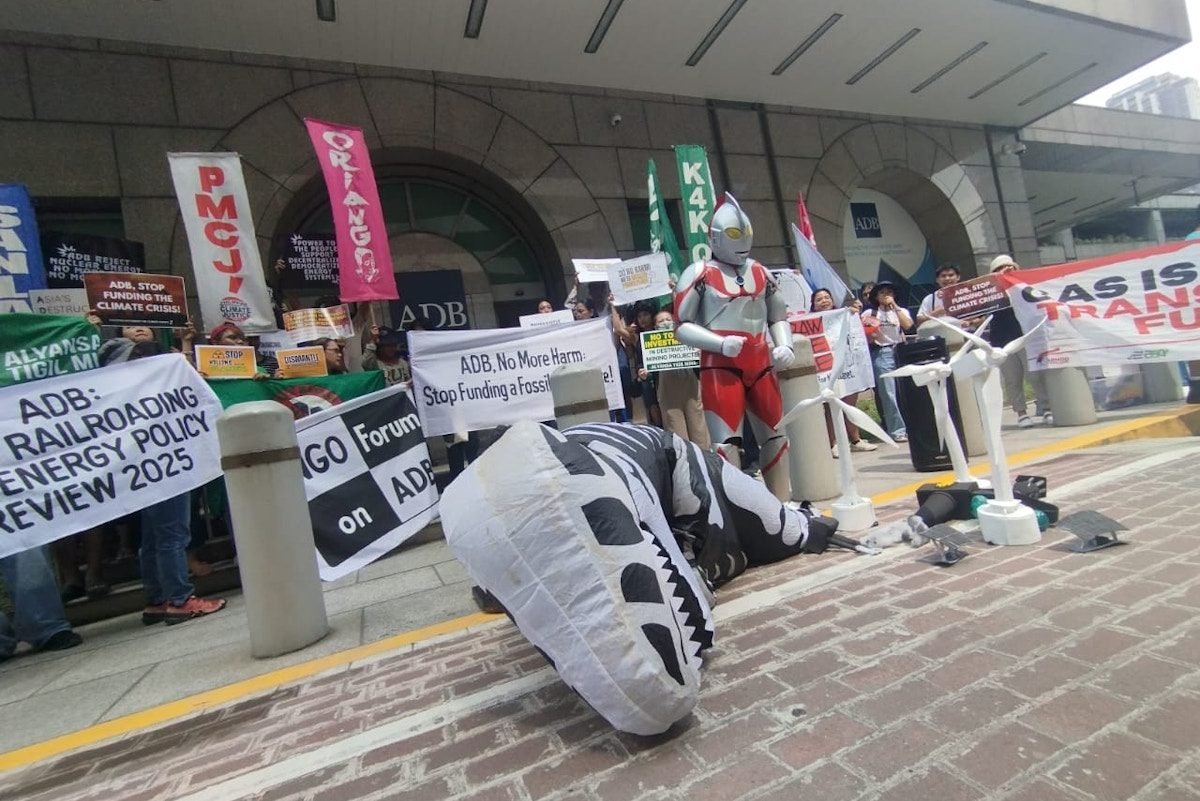
The Manila Lesser, its headquarters for non -profit organizations, announced in a consultation in June that the updated energy policy will be completed during the last quarter of the year, with the approval of the council in the first quarter of 2026.
Nazareth Del Piar, only the position of defense officer for NGOs, a regional network of accountability campaigns in ADB, said.
But in a hypothetical briefing with multilateral in July, Del Pylar said that ADB has shortened the schedule that was updated in the final draft during the third quarter of this year, and then expanded it to October 3. She said that the previous Deadlline presented was that the bank was avoiding the “crowded board of directors in 2026”.
The Council will then be able to approve the updated policy during the fourth quarter of this year, as mentioned in Multivily’s A website.
The review process is now in stage 3, where the final draft of the updated policy has been set during the third quarter of the year. But the ADB NGO Forum says this deadline has spanned October 3. Despite the minimum extension, non -profit organizations are still the “review process” that is rushing. image: Adb
The ADB NGO Forum said that the short review period is “the very insufficient time frame for a policy that would constitute the energy and climate investments of the bank for the next contract.”
Although ADB has argued that he met civil society organizations “several times this year” to consult with the amendments to this policy, Del Pylar said that the meetings “lack deeper discussions, especially in the critical areas he suggested.”
She added that the documents containing the proposed policy amendments were only shared with civil society organizations in the middle of the year, which gives the stakeholders a limited time for review and response. I also noticed that the general announcement of the review process was not present, leaving the affected societies Whether the document is open to their comments.
But ADB said it created a web page CSO invitation to participate in the consulting process and opened a window for eight weeks to receive written comments.
Development Bank additions include current policy investment in critical minerals and clean technology manufacturing, as well as methane -reducing efforts.
The proposed changes also include restricting oil trade financing, based on the decision of the Board of Directors that was taken in July last year, where the bank Declare It will support the limited oil projects in the direction of the river, such as the distribution of diesel and natural gas, but it will not support the projects and production of oil on the source or the middle of the road.
It is scheduled to add policies on the treatment of methane leakage, routine gas ignition, expanding support for an early -priced oil and heating energy, and joint operation with clean fuel in fossil fuel facilities and heating plants to reduce emissions.
The revised energy policy is also to avoid investing in capturing and storing carbon if it is used to improve gas recovery.
“All of these measures enhance ADB torque to support increased energy access and energy security and improve the ability to withstand costs while supporting energy transmission and reducing greenhouse gas emissions in developing member countries,” said Bryantha Wijyatone, chief energy manager in ADB, for Eco-Business.
“Green extract”?
ADB NGOs Forum ADB ADB proposals for provisions in critical minerals in the new energy policy draft. The bank has not yet ended the instructions according to the new Critical mineral value chains to manufacture The approach, which aims to ensure sustainable mining from extraction to manufacturing.
ADB actually agreed The first critical mineral project in Pakistan, copper and rich lehumIn addition to other international financial institutions in August, based on a Trend panel. Del Pylar explained that the paper does not provide instructions on how to invest in critical minerals to generate clean energy and technology they will use to support the project.

Copper mining site in Balochistan, Pakistan. Photo: Jabbar Viki, CC By-SA 4.0via Wikimedia rumors
ADB -led plan in Reko Diq Copper-Gold mine in Balochistan It is the first mining scheme supported by the bank under its new approach, designed to help Asia and the Pacific Ocean to take advantage of the high demand for basic materials for clean energy. Pakistan, which has Mineral wealth is estimated at $ 6 trillionIt is diversified by developed countries such as the United States for Trade and Investments in the decisive mineral sector.
Del Pylar said that the location of the project in Balochistan, a known area of conflict, makes it unlikely that the banks that finance the plan are to support their environmental, social and human rights guarantees. She added that the follow -up with the plan would conflict with the declared ADB obligations towards sustainability, responsible acts and climate work.
She said: “If these are the types of critical metal investments that ADB chooses to support, this indicates only that the bank participates in green washing: enhancing clean energy through the” green extract “with the repetition of previous errors in its dealings with the mining sector.”
“ADB provisions for critical mining and clean energy technology reflect how” unprecedented global demand for clean energy and digital technologies rapidly increases the need for critical minerals and the manufacture of clean energy technology. ”
The Asia Pacific region is preparing Its economy grows By 47 trillion dollars by 2070, but the enlargement of a huge range of emerging technologies and building new industries such as critical minerals requires. The demand for lithium, nickel, cobalt and rare land is increasing, as the fleet of electric vehicles in the region is expected to reach 671 million cars by 2050.
“This will create opportunities to attract foreign direct investment, create high -quality jobs, and enhance comprehensive and flexible growth for our developing member countries, while speeding up the transition of global clean energy,” said Wijayatunga.
He added: “All the proposals seen by AdB will be subject to strict risk assessments and evaluation and guaranteeing a targeted consultation with civil society and the organizations of the original peoples.”
https://www.eco-business.com/news/adb-set-to-finalise-draft-energy-policy-amid-criticism-of-rushed-process/