
Latest Job Opportunities in India
Discover top job listings and career opportunities across India. Stay updated with the latest openings in IT, government, and more.
Check Out Jobs!Read More
The Gospel of unconditional salvation
in The historical character of Jesus, 1995, Written by EP Sanders, we were told that Sanders was born in Texas, and he did high studies in Gottingin, Jerusalem, Oxford and New York; She obtained Thd from Union Theological School, joined the teaching staff at McMaster University, Ontario, and was elected Professor of Interpretation at Oxford University at Oxford University and a colleague at Queens College. He moved to Duke University, North Carolina, obtained other degrees, PhD in theses from Oxford University; He was a colleague of the British Academy, a PhD in theology at Helsinki University. Wikipedia describes him as the Protestant theologian, who spent a year in Israel studying rabbinic Judaism and obtained Gognheim’s fellowship for human science.
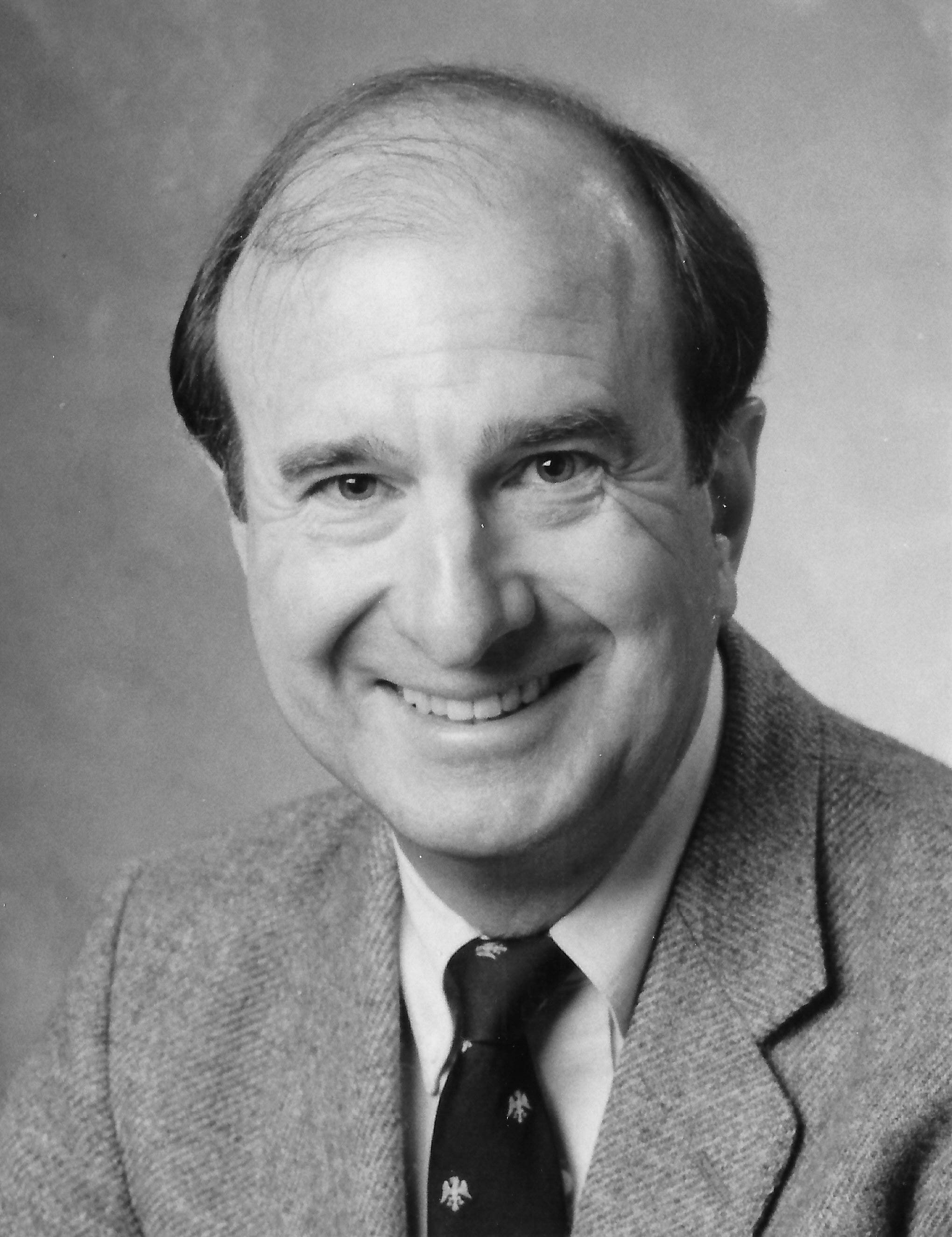
Sanders was from the inside – Dean of Oxford, who Stephen delay You may have some things that can be said – and this is the penguin book, 1street Matrix Mateial, an official report, approved by the gate guards.
And until now. Evidence of any pudding in eating.
This may be an example of using 1street Sources matrix to try to understand things, while maintaining realization that there is always a secret agenda at work. No 1street And 2The second abbreviation The matrix contains elements of the truth within architecture; Just as some missing facts of the matrix 1 can be found in matrix 2, it also works in the other direction.
Moving to 2The second abbreviation The matrix is not an escape from 1street Matrix, but we can reduce its grip on us, over time, by moving freely between two perspectives. In reference to 1street The matrix materials are a way to test suggestions 2The second abbreviationvice versa.
What I will enter with this post is It is likely to be the most important topic you have ever.
The word “important” is a word that I do not like. How can anything be at all important In the experimental sense? With any criteria? All we really mean when we say that something important is that it had an impact on our lives, for good or illness. The assassination of JFK “is important” for many people because it was a turning point in the history of the United States; But what makes us history? It is a question of personal interest.
works Carlos Castanida It was very important in my life, as much as I changed, not only my beliefs and interests, but my entire course (I learned Spanish and moved to Mexico). They may say they imported Things in myself, and in my behavior. This does not make those books “important”, IPSO reality; But they were incentives to work (for good or illness).
The clips that I were about to cite-from pages 231-237 from the 1995 Penguin release from Sanders-“Important” for me to read at this particular time. I hope this translates into action (such a post), and thus into something important for others.
I think what Sanders enters into these clips (in his attempt to understand the reason for the threat of Jesus’ actions enough to make him crucified) outside The grave of religion, and its revival – its example – in our hearts and minds, In the living present.
As such, I think this topic is of global importance, for everyone everywhere, As much as it can be said that.
Those who have ears to hear it, etc., etc.
No one who follows this alternative for the past year or so will not be surprised, or even during the past few months, to hear that this focuses on the idea of salvation as something guaranteed for all souls, through the embodied love – he speaks in an uncertain way! hereThe word “Christ” does not have to carry all the belongings of the belief that Christianity has developed.
Sanders begins his argument by looking at how the word Repentance– In Greek, clear MetanoiaIt is not prolific as we might think about the New Testament. According to Sanders, the main signals to repentance make a total of 62 times in the New Testament, 14 in Luke, 11 in the Acts of the Apostles, and 12 in revelation, where he put more than half in those three books (only one quotes Jesus in his life). The numbers that Sanders give to other gospels are: 10 mentioned in Matthew, 3 in Mark – which takes us to 50 out of 62 – and 0 in John (the remaining 12 position in other messages).
Sanders is compared to the phrases that refer to the kingdom of God or the kingdom of heaven, and gives the number in 162. He concludes from this, although the author of Luke and deeds (the author is supposed to be himself) particularly emphasizes the idea of repentance, but he was not a major subject of Jesus’ message.
Then Sanders refers to this, although the word is rare in Matthew and Mark compared to Locke, both Matthew and Mark use the word in them Summaries Jesus’ teachings. This indicates Sanders that the evangelists themselves (alongside John) were keen on an idea From repentance, they are required To make it central, and therefore they did not have an interest in Reducing In the rest of their accounts, that is, in the actual teachings of Jesus.
Sanders asks this question and provides his answer:
It is not that Jesus hated repentance and I think people should never feel regret and pray for forgiveness. He preferred all this. He thought that the prostitutes had repented in preaching between John the Baptist, like the Ninjis who repented in preaching from Jonah, did the right thing. . . And that the cities of Galilee should repent. . . . The story of an unforgiving servant. . . He discusses the appeals of leniency and forgiveness in a way that leaves no doubt that the speaker appreciates them. This is not the case. There are two questions. The first is, what was related to Jesus’ association with the bad people who offended his critics? If other people responded to the evil as Zakayus did, who repented and distributed his wealth generously, what would be the complaint? Nothing I think.
This leads to the second question: What was Jesus’ private task? What I think was fine? Was his goal in life to persuade bad people that they should start honesty, or persuade prosperity to share their money? To answer these questions, we must ask what the Gospels say about Jesus’ association with the wicked. This examination reveals that Luke alone gives tangible stories about Jesus calling people to repent, and that Luke only believed that Jesus persuaded the wicked to repent and pay their illegal gains. That is, Jesus Luke, who got tax collectors to repent and pay, will not irritate anyone, at least not at this stage. But since Jesus faced opposition to his behavior with sinners, I tend to believe that Jesus should not be Known Like the palace of repentance. Jesus preferred to repent, but if we classified it as a kind and described how he saw his mission, we will conclude that he was not a reformer in the repentance of thinking.
In the New Testament, this title is clearly belonging to the Baptist. Jesus was aware of his differences from John and commented more than once. The prostitutes repented when John’s human beings – not when Jesus preaches. John was ascetic. Eating Jesus and drinking. Jesus was a friend of taxes and sinners – not former tax collectors and sinners, which was Zakayus after he met Jesus, but from tax collectors and sinners. I think Jesus was more extreme than John. Jesus believed that John’s call for repentance should have been effective, but in reality it was only partially successful. His own style was in any case. The baptized tactics did not repeat. On the contrary, eat and drink with the wicked and tell them that God loved them in particular, and that the kingdom was within reach. Do they hope to change their ways? Perhaps he did so, but “change now or destroy” was not his message. John was. Jesus was, “God loves you” (pp. 232-33).
(Above Paywall, “Do you need the lost sheep to find their own path or just find it?”)
https://childrenofjob.substack.com/p/the-gospel-of-unconditional-salvation